
Yuno post
Iwate Folklore Solo Travel Map
Published: 31 October 2026Location: Melbourne, Victoria, Australia: 18 likes
Iwate Folklore Tour: A Solo Journey
Morioka - Miyako - Tono
As I travelled the world, learning about local anthropology and history, I realised that while the world is wonderful, the depth of Japanese history is profound. This led me on a folklore tour of Tohoku and Iwate.
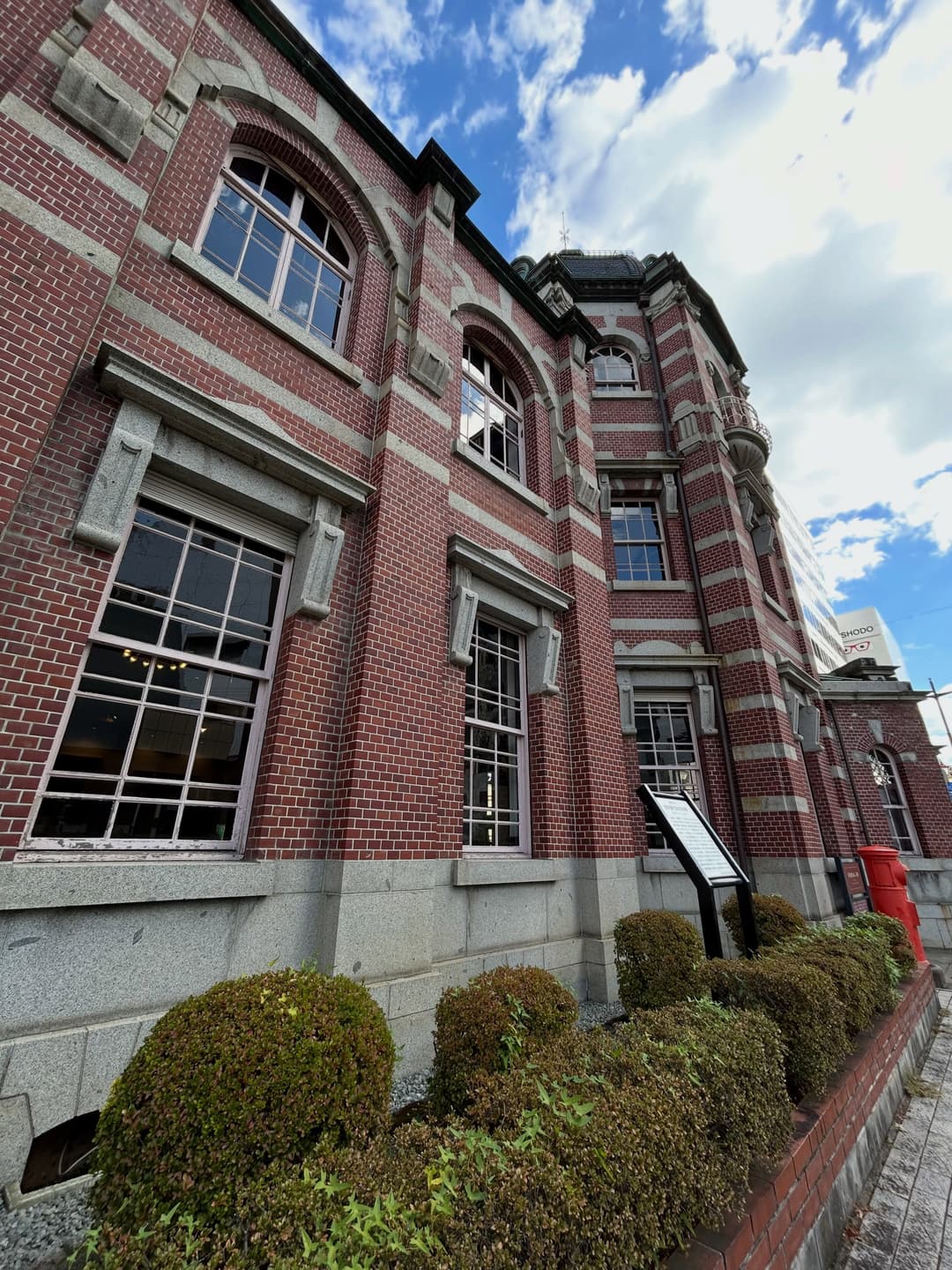
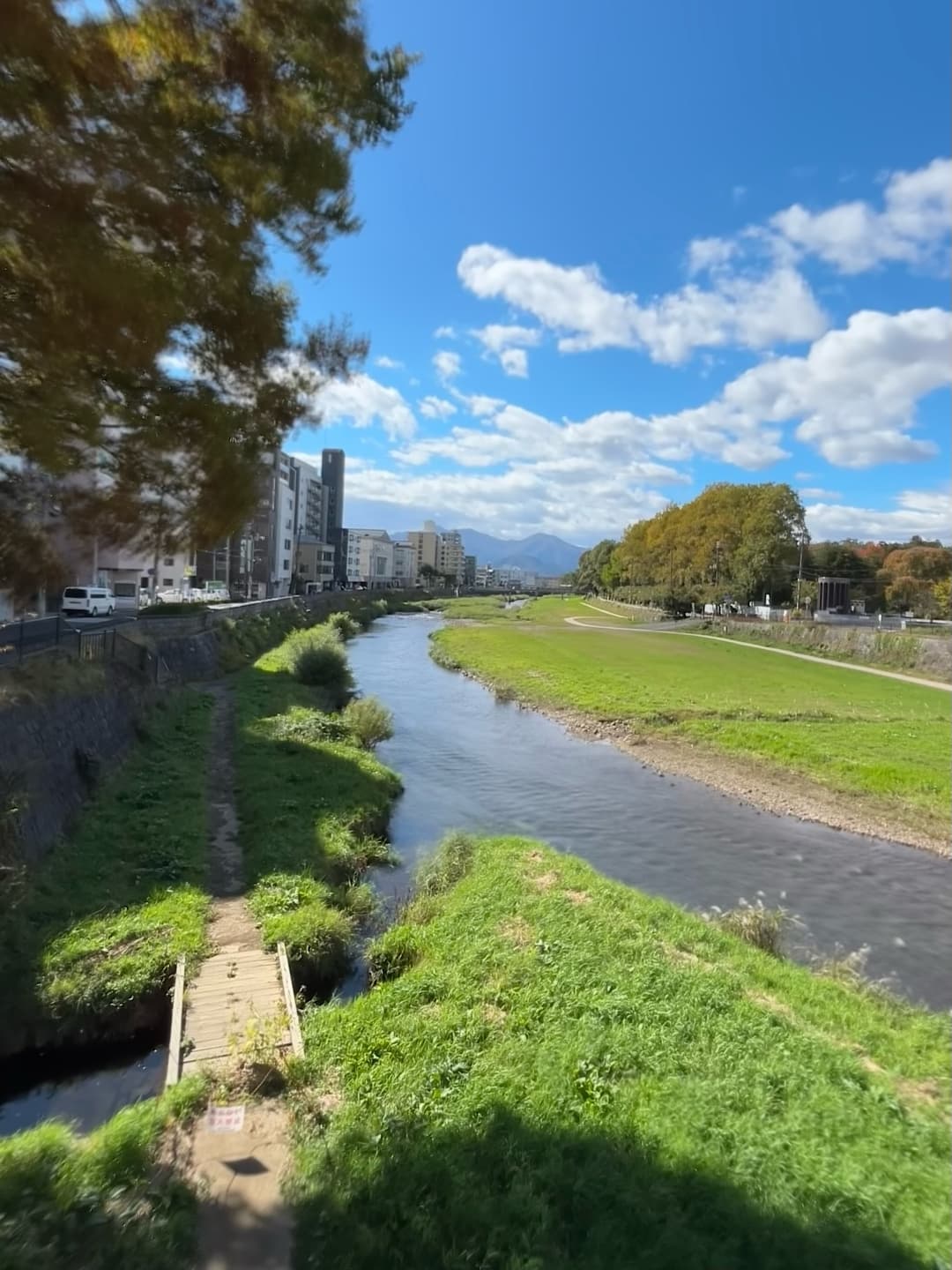
[Morioka] A tranquil, compact city with historic buildings. There were many independent cafes that value literature and philosophy, and I found a row of cafes to my liking. With views of a large river and beautiful mountains, it's easy to see why it was once featured in The New York Times.
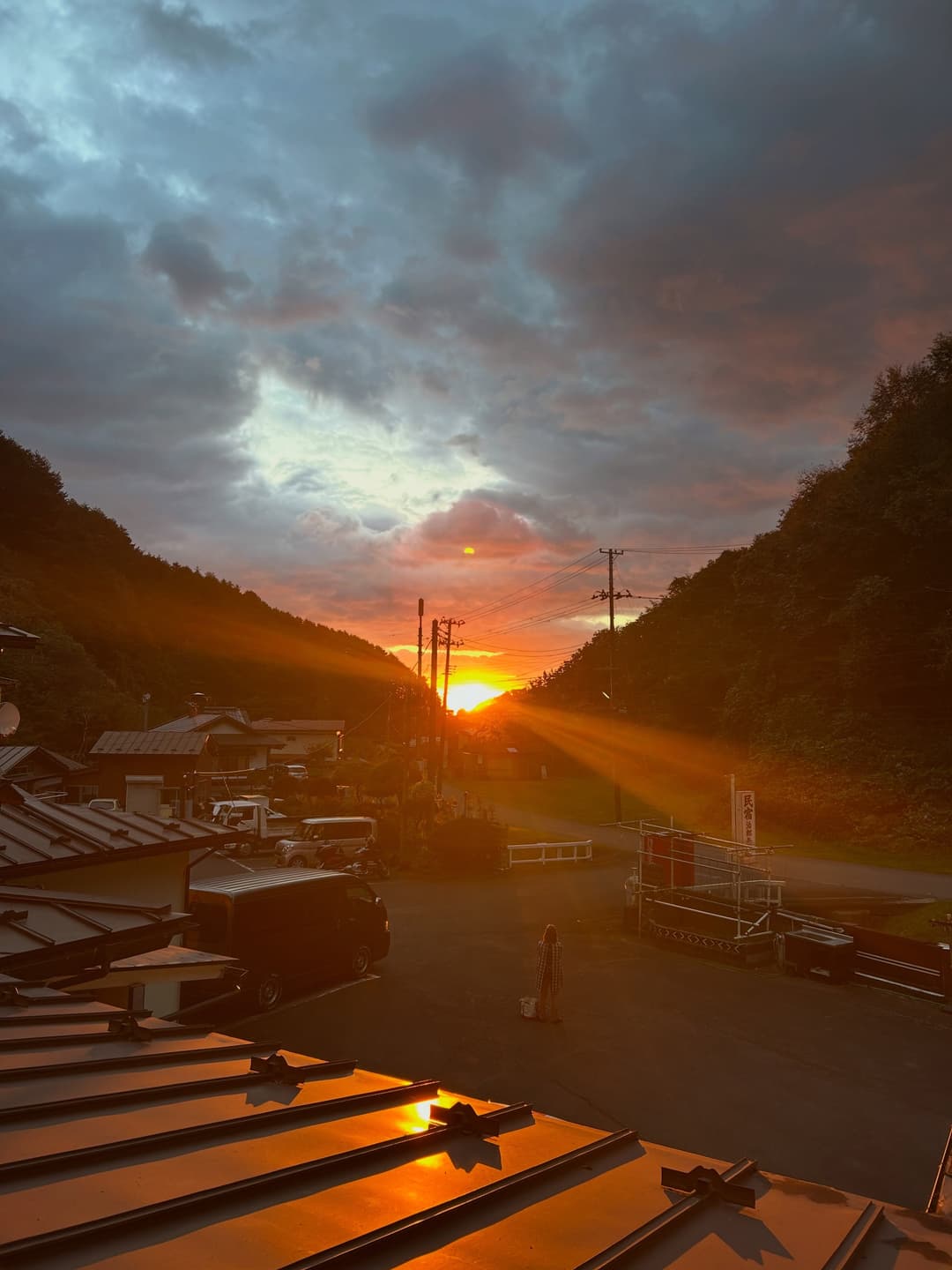
[Miyako] A fishing town on the easternmost tip of Honshu. At a small local ryokan, I experienced a Kuchiyose ritual performed by an Itako.
Itako are traditional mediums (miko) found throughout Tohoku, mainly in Aomori and northern Iwate, and historically, their work was highly valued as a profession for blind women.
Kuchiyose is a ritual performed by an Itako, where they summon the spirit of a deceased person to allow communication with them.
I visited a local ryokan in Miyako that invites Itako who work at Mount Osore in Aomori Prefecture.
I have met people called shamans three times in the past:
- A person in the Philippines who heals people with prayers and medicinal herbs.
- A person in Malaysia who communicates with mountain spirits.
- A chief of a mountain minority ethnic group in Nepal who determines the group's direction based on dream revelations.
Learning about the existence of Itako in Japan, who serve as mediums (shamans), I participated in a Kuchiyose (communicating with the deceased and speaking with the living).
This time, I had my grandfather's spirit summoned and conversed with him. I somehow felt his gentle presence and a touch of nostalgia.
What I always feel when I meet shamans is that it's not about whether it's true or not, but that believing in it lightens the heart and brings healing, which is what truly matters.
I spoke with several people who had completed the Kuchiyose ritual; one said it "wasn't very accurate," while another said, "This is my third time, and I've spoken a lot with my deceased parents."
How people feel about it varies. It doesn't need to suit everyone, yet it can still be a source of emotional support for someone.
 Posted byShoko